
Developments in Literacy

Libraries & reading program

Building strong readers. Expanding access to learning.

DIL’s libraries and reading program are designed as a connected literacy ecosystem that combines digital tools, physical libraries, and guided reading support. Together, these elements build strong reading skills, foster a love of learning, and expand access to quality reading experiences.
Our impact

Students participating in Read to Grow, Read to Know (RGRK) show significant gains in fluency, comprehension, and confidence.

Familiar word reading more than doubled, increasing from

23 to 51

correct words per minute

Oral reading fluency increased from

25 to 59

correct words per minute

Reading comprehension improved from

18% to 58%

correct words per minute

Many students surpassed the benchmark of 45 correct words per minute, marking a critical shift from learning to read to reading to learn.

Overall, the proportion of students able to read with sufficient fluency to support comprehension increased by more than 300 percent over the course of the program.

These results show that RGRK not only strengthens foundational literacy but also expands students’ long-term academic opportunities and strengthens their ability to learn with confidence.

Tablet reading program (RGRK)

Creating joyful reading experiences for early learners.

DIL’s Tablet Reading Program, known as Read to Grow, Read to Know (RGRK), supports students in grades 1–4 in developing reading fluency and comprehension through a structured, technology-enabled approach.

The program pairs phonics-based digital stories with guided reading activities, from shared and paired reading to independent reading. Delivered in dedicated library spaces by trained librarians and English teachers, it ensures that every child receives the support needed to progress confidently.

How it works

Curated digital libraries with vocabulary-controlled e-books 

Guided and independent reading sessions during dedicated library periods 

Interactive, audio-supported reading to build pronunciation and comprehension 

Teacher and librarian training focused on effective reading instruction 

Book borrowing to encourage reading beyond the classroom

Why it matters

The early years are critical for literacy development. By strengthening reading skills at this stage, the program helps students build the foundation needed for academic success.

It also fosters confidence, curiosity, and a lasting connection to reading, helping students read with fluency, understand what they read, and engage more independently with learning.

School Libraries

Creating spaces for reading, discovery, and growth.

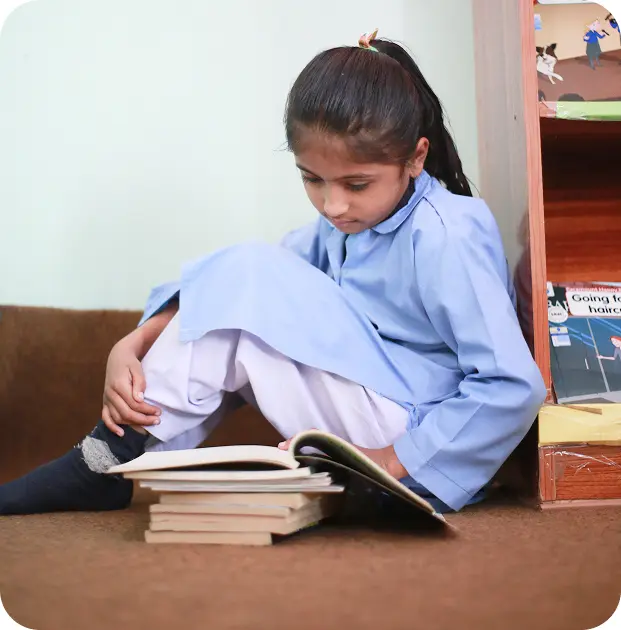
DIL libraries are structured learning environments where students develop reading habits and explore new ideas.


Through curated book collections, dedicated reading time, and trained educators, students engage in guided, paired, and independent reading. These spaces support both academic development and a culture of curiosity and exploration.

Mobile Libraries

Extending access beyond the classroom.

Mobile libraries expand access to books and reading materials in underserved communities, ensuring that students are not limited by geography or infrastructure.


By bringing reading resources directly to students, these initiatives help create more equitable learning opportunities.

A Connected Literacy Pathway

DIL’s reading programs are part of a broader continuum of learning that supports students from early literacy through higher education.

As students progress, strong reading skills connect to expanded digital access, advanced learning tools, and pathways to college and careers. This integrated approach ensures that students can build confidence and a lifelong habit of reading.