Developments in Literacy

Preparing students for success

Equipping students for life beyond the classroom

DIL equips students with the knowledge, skills, and confidence they need to succeed in higher education, careers, and life.

Life skills development

Building confidence for real-world challenges

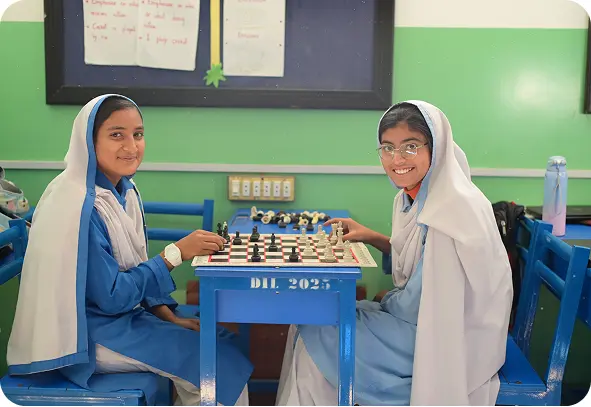
DIL’s Life Skills Program is embedded across Grades 1–10, helping students develop essential skills such as self-awareness, communication, decision-making, empathy, and resilience. Through interactive, activity-based learning, students engage with real-life scenarios that strengthen both personal and social development.


The program is aligned with national frameworks and supported by dedicated life skills coordinators and strong school leadership, ensuring consistency and long-term impact both inside and outside the classroom.

Project-based learning (PBL)

Applying learning to real-world contexts

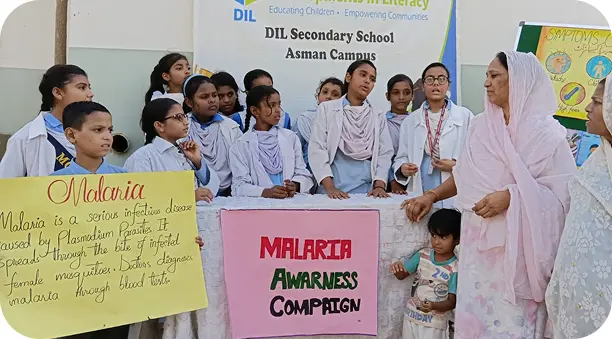
Project-Based Learning builds on life skills by giving students the opportunity to apply what they learn in meaningful ways. Through structured projects, students explore real-world problems, collaborate with peers, and connect classroom concepts to practical situations.


Teachers play a critical role as facilitators, guiding inquiry, reflection, and discussion, ensuring that learning remains purposeful, engaging, and relevant. This approach strengthens critical thinking, creativity, communication, and problem-solving, especially in resource-constrained environments.
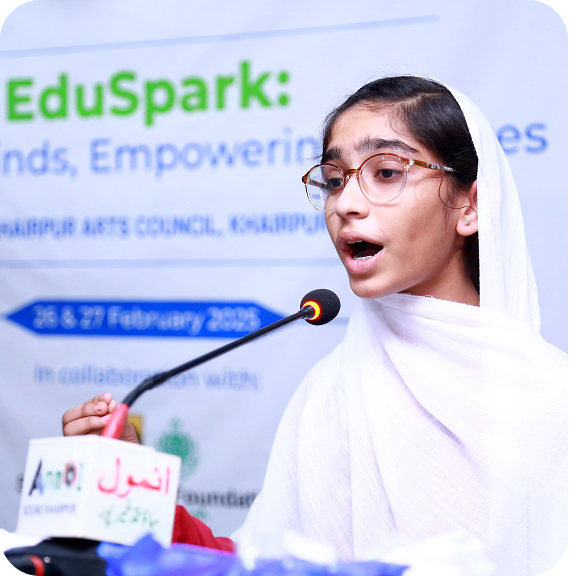
Graduates and alumni affairs

Supporting the transition to higher education and careers

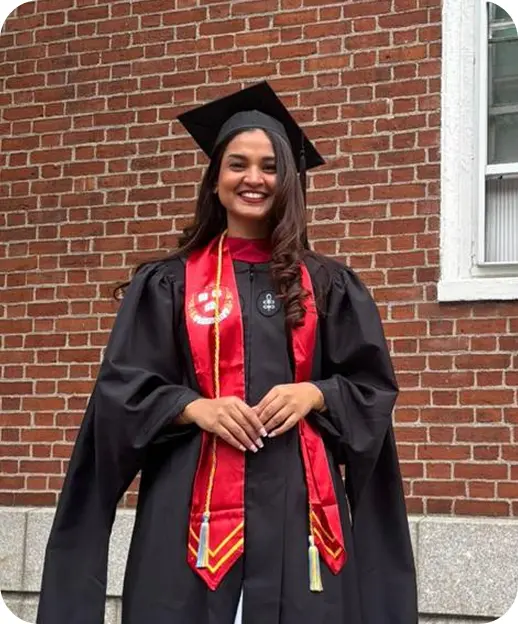
DIL’s Graduates and Alumni Affairs program supports students as they move from school into higher education and the workforce. Through career guidance, scholarships, mentorship, and skill-building opportunities, students take confident steps toward their future.


Many graduates continue their education through fully funded scholarships made possible by partners such as U-GO, helping remove financial barriers and expanding access to higher education. These pathways reflect the long-term impact of a model designed to prepare students for life beyond school.