Developments in Literacy

The education crisis in Pakistan

Did you know that Pakistan has the second highest number of out-of-school children in the world—over 25 million?

That’s one of the largest education gaps in the world. Even for those who do attend school, learning is not guaranteed. National assessments show that nearly 9 out of 10 Grade 3 students cannot read at grade level or perform basic math, and many children struggle to build foundational skills in science and critical thinking.

Girls are most at risk

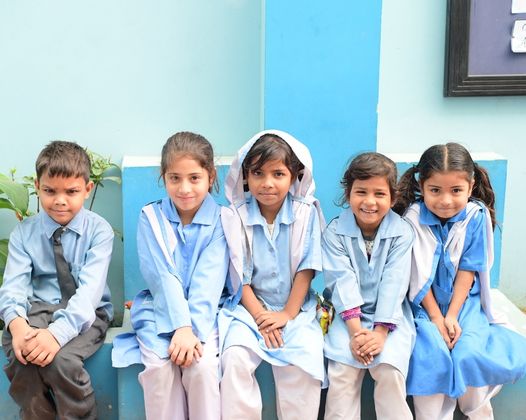
This crisis hits girls hardest. In many communities, they face additional barriers: unsafe commutes to school, early marriage pressures, and cultural resistance to their education.

Even when they enroll, girls are more likely to drop out early, limiting their path to independence, well-being, and opportunity.

Barriers go beyond access

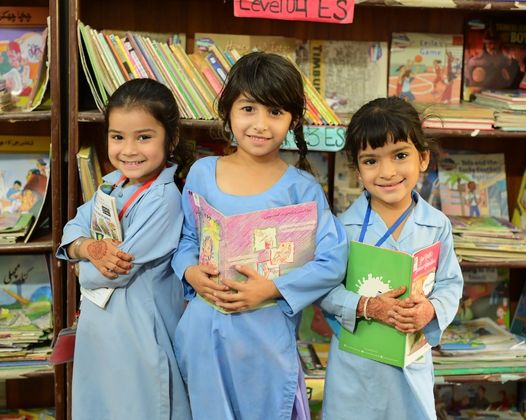
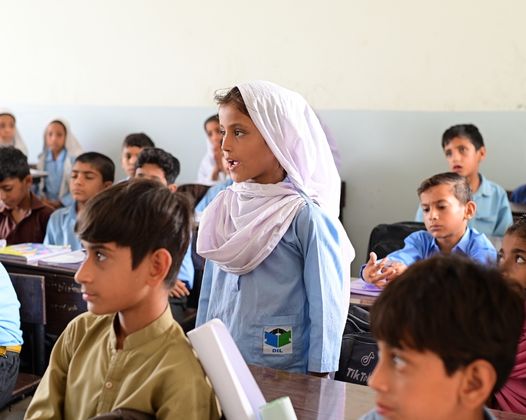
The problem isn’t just getting children into school, it’s ensuring they learn once they are there. Many public schools in Pakistan face severe resource gaps: limited learning materials, unreliable electricity, overcrowded classrooms, and inadequate sanitation.

Teachers often lack the tools and support they need for effective teaching. Economic hardship, political instability, and climate-related disasters like floods and heatwaves further disrupt learning across entire regions.
Barriers go beyond access

The problem isn’t just getting children into school, it’s ensuring they learn once they are there. Many public schools in Pakistan face severe resource gaps: limited learning materials, unreliable electricity, overcrowded classrooms, and inadequate sanitation.

Teachers often lack the tools and support they need for effective teaching. Economic hardship, political instability, and climate-related disasters like floods and heatwaves further disrupt learning across entire regions.
What's at stake

The stakes are too high to ignore. Without urgent action, millions more children, especially girls, risk being left behind. And not just in classrooms, but in life.

A poor education limits a child’s future and weakens a nation’s potential. This crisis is solvable, and the time to act is now.

This is why DIL exists.

We are not just helping children attend school. We are making sure school works for them by building a model grounded in equity, community trust, and innovation, we are working to change what’s possible for the next generation.